

WiFi Routers
Analysis and Impact of Blockbuster FCC ban on foreign made WiFi routers
On March 23rd, the Federal Communications Commission (FCC) updated its Covered List to prohibit the sale of foreign made consumer-grade (WiFi) routers to be sold in the U.S. The FCC’s Covered List is a list of communications equipment and services that are deemed to pose an unacceptable risk to the national security of the U.S. or the safety and security of U.S. persons. This FCC decision follows a determination by an Executive Branch interagency body, which concluded those devices pose unacceptable risks to U.S. national security and the safety of its citizens. . The new FCC restriction applies strictly to new foreign made router models, meaning retailers can continue marketing previously approved units and consumers can operate their existing equipment without interruption.
Impact:
TP-Link, Netgear, and Asus are currently among the top-selling Wi-Fi router brands in the U.S. consumer market. Estimates for early 2026 indicate that TP-Link alone holds approximately 35% of the U.S. consumer router market share, while Netgear and Asus collectively account for another 25%. The TP-Link Archer AXE75 is frequently rated the best router for most users due to its Wi-Fi 6E speed and reasonable price.
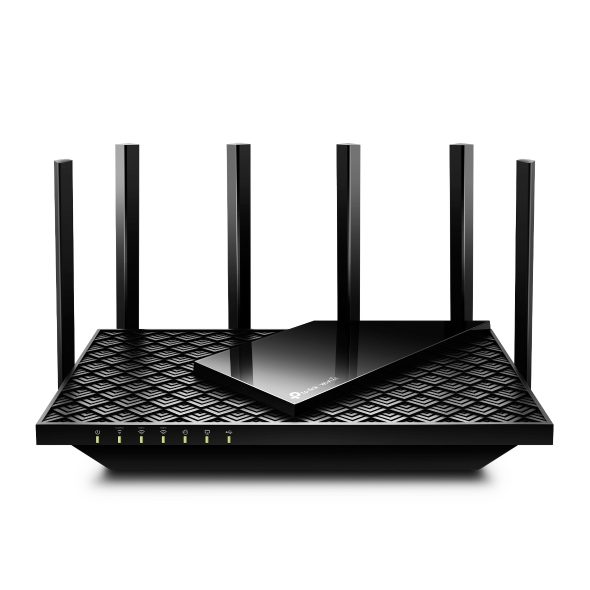
AXE5400 Tri-Band Gigabit Wi-Fi 6E Router
…………………………………………………………………………………………………………………………………
Linksys and Ubiquiti are American-based companies, but their hardware is produced by contract manufacturers overseas in locations like China, Vietnam, and Taiwan. Similarly, Amazon eero and Google Nest mesh routers are not made in the U.S.
–>Hence, these companies ability to sell new WiFi router models in the U.S. is now facing strict regulatory hurdles.
Quotes:
FCC Chairman Brendan Carr said: “I welcome this Executive Branch national security determination, and I am pleased that the FCC has now added foreign-produced routers, which were found to pose an unacceptable national security risk, to the FCC’s Covered List. “Following President Trump’s leadership, the FCC will continue to do our part in making sure that US cyberspace, critical infrastructure, and supply chains are safe and secure.”
Bogdan Botezatu, director of Threat Research at cybersecurity firm Bitdefender, says this ban is a step to harden the cybersecurity readiness of U.S. households, given ongoing geopolitical tensions. “Consumer routers sit at the edge of every home network, which makes them an attractive target and a strategic risk if compromised at scale,” he says. Asked whether he thinks the risk is real, Botezatu says the risk is real, though there’s no easy way to prove intent. “[Internet of Things] devices, including routers, are a weak point across the internet.”
“Virtually all (WiFi) routers are made outside the United States, including those produced by US-based companies like TP-Link, which manufactures its products in Vietnam,” a spokesperson from TP-Link tells WIRED. “It appears that the entire router industry will be impacted by the FCC’s announcement concerning new devices not previously authorized by the FCC.”
- Reduced Product Availability: New, high-performance routers manufactured outside the U.S. will not receive the necessary approval to be imported or sold, restricting future consumer choices.
- Higher Costs: The, “This ruling has the potential to significantly disrupt the U.S. consumer router market,” according to, likely resulting in increased prices for consumers as companies grapple with new regulatory requirements.
- Shift in Manufacturing: Router manufacturers, including those targeting the U.S. market, will likely need to shift production to the U.S. to satisfy security concerns and bypass the ban, says PC Magazine.
- Security Focus: The ban targets vulnerabilities in foreign hardware and firmware.
- No Impact on Existing Devices: Consumers can continue to use routers they currently own
References:
https://www.wired.com/story/us-government-foreign-made-router-ban-explained/
U.S. Weighs Ban on Chinese made TP-Link router and China Telecom
China backed Volt Typhoon has “pre-positioned” malware to disrupt U.S. critical infrastructure networks “on a scale greater than ever before”
WSJ: T-Mobile hacked by cyber-espionage group linked to Chinese Intelligence agency
Trump and FCC crack down on China telecoms; supply chain security at risk